Serving Myrtle Beach, Charleston & Wilmington
Carolina Energy Conservation Before & After Photos
Click on a photo to enlarge.
Air Sealing, Remove and Replace Blown In Insulation in Isle of Palms, SC


After purchasing this home, new Homeowners found pest feces in the insufficient attic insulation and knew it was time to clean it all out. After meeting with the Carolina Energy Conservation Comfort Specialist, they decided to remove their insulation, air seal fixtures and blow in our recycled cellulose that has pest deterrent. Optimizing their home's new HVAC system, they also decided to spray foam the hard duct lines, known as duct encapsulation. Duct encapsulation decreases the amount of conditioned air that leaks from the hard lines (usually 30%) and helps it reach your rooms. It's a great solution to address room temperature inconsistences.
Blown-In Insulation in Isle of Palms, SC
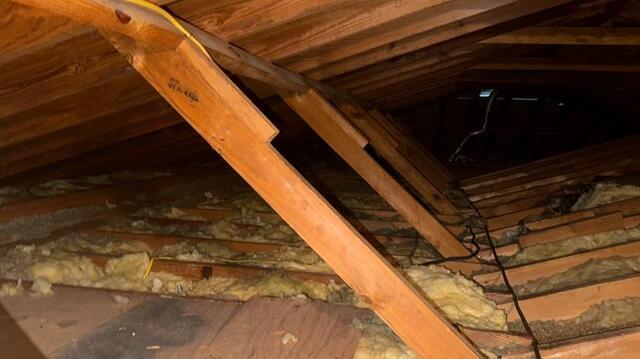
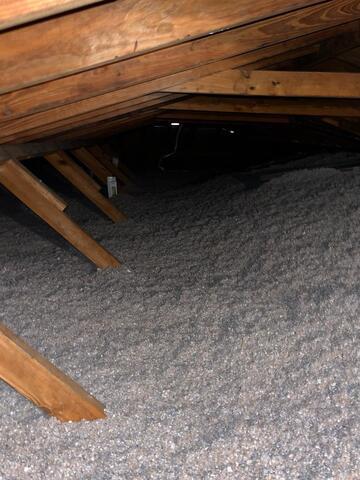
This Isle of Palms homeowner was committed to enhancing her home's energy efficiency and comfort after a recent remodel she had done. She decided to search on home advisor, and was led to Carolina Energy Conservation as local professionals in her area. After a free and thorough energy evaluation, it was clear that removing the old fiberglass insulation and upgrading to cellulose insulation would be a necessary step in the right direction. Our expert recommended upgrading to cellulose with an R-38 value because it would maximize thermal performance of the attic space as well as being an eco friendly, fire resistant solution. Our expert also noticed evidence of rodents within the attic and upgrading to our blown in cellulose would help prevent that. Doing this reduced this home's heating and cooling costs while increasing sustainability of the air conditioning unit. This project was completed within one business day, and this homeowner’s investment in energy efficiency transformed their home!
Blown-In Insulation in Mt. Pleasant, SC
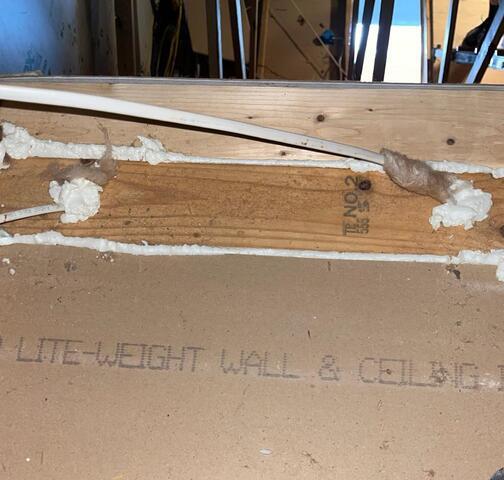
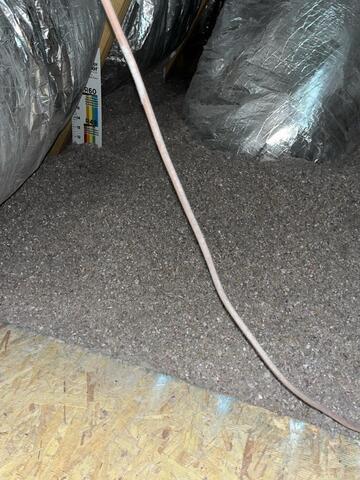
This Mt. Pleasant homeowner was looking to get a portion of his attic reinsulated after having mold remediation done. He searched on Google for a local specialist, and found that Carolina Energy Conservation was a top rated contractor who offers free home energy evaluations. After he reached out, Carolina Energy Conservation swiftly sent out a specialist who discovered a lack of attic insulation, explaining the significant energy loss experienced during peak months. Our expert presented his findings, and it was clear that blowing in cellulose insulation and air sealing would be necessary steps in the right direction towards making this home more energy efficient. Our expert recommended cellulose with an R-38 value because it would maximize thermal performance of the attic space as well as being an eco friendly, fire resistant, and mold resistant solution. Air sealing this attic space would also help prevent fresh, air conditioned air from escaping into the attic as well. This project was completed within a few short business days, and this homeowner’s investment in energy efficiency transformed their home!
Spray foam Attic in Georgetown, SC


This Georgetown home had the typical fiberglass bats of insulation. The homeowner called Carolina Energy Conservation for a free home energy evaluation. The attic space had home air conditioned air seeping through into the hot attic. This caused the homeowner's air conditioner to run longer trying to keep the home comfortable. The homeowner chose to have Carolina Energy Conservation remove the leaky rolls of insulation, air seal and spray foam their attic space to keep the leaks from happening. The homeowner can now be confident that the sprayfoam does not settle or shift and they are on their way to saving energy!
Blown In Cellulose in Georgetown


The Georgetown family wanted to improve the energy efficiency of their home, particularly in their garage. They reached out to Carolina Energy Conservation for an energy evaluation. After assessing their needs, it was determined that the best solution was to install blown-in cellulose insulation in the garage attic. Blown-in cellulose insulation is an excellent way to enhance energy efficiency in a home. It is made from recycled paper products and treated to be fire-retardant. This type of insulation effectively fills gaps and voids, reducing air leakage and heat transfer. As a result, it helps maintain a consistent indoor temperature, reduces the workload on heating and cooling systems, and ultimately lowers energy costs.
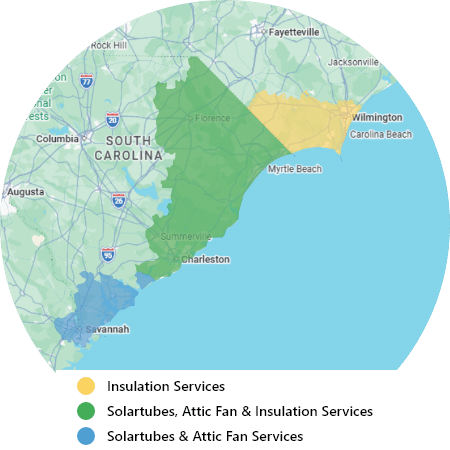
our service area
We serve the following areas
- Bloomingdale
- Pooler
- Port Wentworth
- Savannah
- Tybee Island
- Andrews
- Blenheim
- Bonneau
- Cades
- Charleston
- Charleston AFB
- Clio
- Cordesville
- Coward
- Darlington
- Dillon
- Edisto Island
- Effingham
- Florence
- Goose Creek
- Greeleyville
- Hamer
- Hanahan
- Huger
- Isle Of Palms
- Johns Island
- Kingstree
- Ladson
- Lake City
- Lamar
- Lane
- Latta
- Little Rock
- Lynchburg
- Marion
- Moncks Corner
- Mount Pleasant
- Nesmith
- North Charleston
- Olanta
- Pamplico
- Saint Stephen
- Salters
- Scranton
- Sellers
- Sullivans Island
- Summerville
- Timmonsville
- Turbeville
- Wadmalaw Island