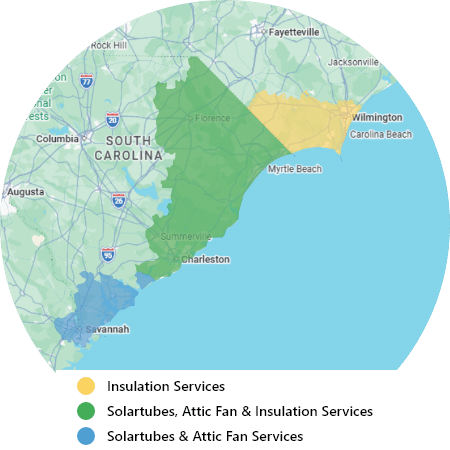
Serving Myrtle Beach, Charleston & Wilmington
Carolina Energy Conservation Before & After Photos
Click on a photo to enlarge.
Spray Foam in Pamplico


A homeowner in Pamplico wanted to insulate their metal shed effectively and sought help from Carolina Energy Conservation. After conducting a thorough energy evaluation, it was recommended to use closed-cell spray foam due to its superior insulating properties and moisture resistance. The homeowner opted for this solution to create an efficient thermal barrier and improve the shed's overall energy efficiency. Following the application of closed-cell spray foam, the shed now benefits from significantly improved temperature control and a reduced risk of condensation issues. The installation of spray foam has made the metal shed more comfortable and energy-efficient while also preventing future problems that could be caused by a lack of insulation.
Spray Foam Attic Insulation in Mt. Pleasant, SC
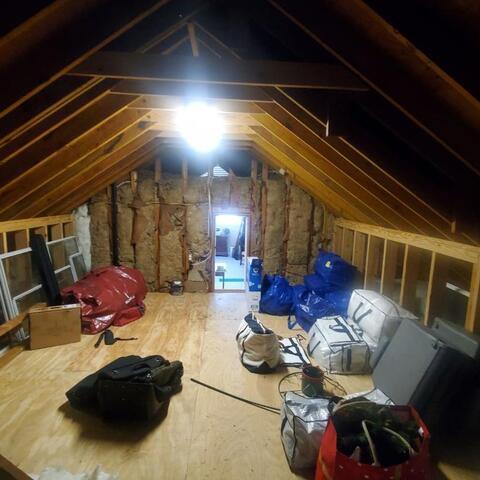
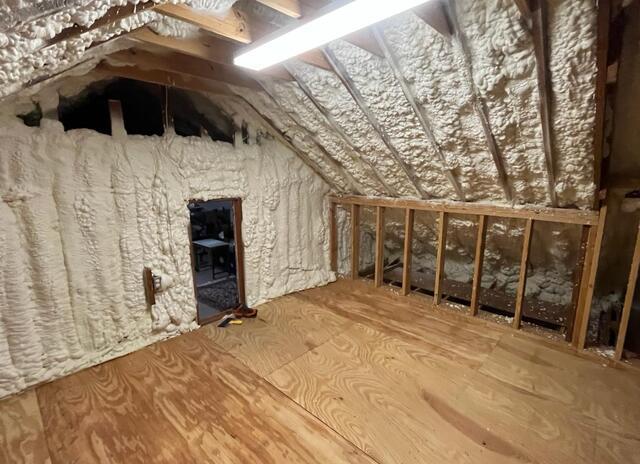
This Mt. Pleasant homeowner was looking to retrofit their old home with new insulation due to having condensation issues on certain ceilings in the house. While looking for a reputable installer to remove their old insulation and install brand new spray foam, they were lead Carolina Energy through a Google search. After expressing their concerns, Carolina Energy Conservation promptly sent out a specialist to investigate and propose a solution. They decided on our premier spray foam package which would provide better insulation, air sealing, and mold resistance all while lowering energy costs year round! Carolina Energy Conservation was quick to get these homeowners on schedule and proceed with finishing their project in only three business days!
New Construction Spray Foam Insulation in Mt. Pleasant, SC
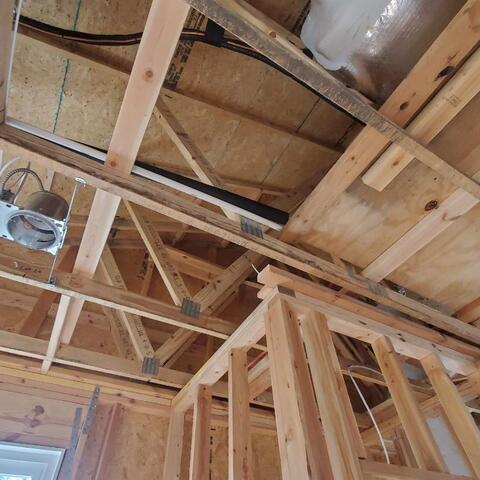

This Mt. Pleasant homeowner was having their dream home built and was searching for the most energy efficient way to insulate their new home. They searched Google for a reputable installer in their area and were led to Carolina Energy Conservation, a top-rated local contractor specializing in insulation. After a quick phone call, Carolina Energy Conservation sent out one of our experts to give this customer a free evaluation and quote on what this top-of-the-line product would cost. This homeowner decided to move forward with us after hearing all the benefits this spray foam could offer them and their new dream home. Installing this will ensure their new home is as energy efficient as possible from the start and will save them a lot of money for years to come, all while maximizing comfort!
Crawl Space Insulation in Mount Pleasant, SC


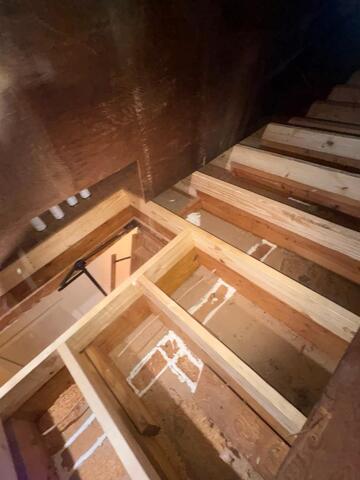
This homeowner in Mount Pleasant contacted Carolina Energy Conservation because they noticed cold drafts coming through the floors and suspected it was caused by the lack of insulation in the crawlspace. Upon inspection, it was found that the insulation was visibly damaged and had begun to grow mold. To fix this issue, the damaged insulation was removed and replaced with closed-cell spray foam insulation. This type of insulation is very effective in preventing drafts, as it forms a seamless barrier that seals off gaps and voids, while also providing excellent temperature resistance. After the spray foam is installed, the floor will effectively block out air, preventing drafts.
Blown-In Insulation and Air Sealing in Marion, SC
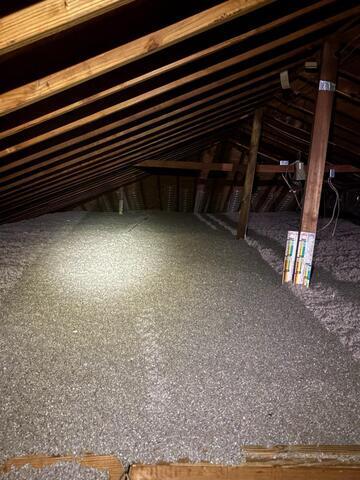
This Marion homeowner was committed to enhancing her home's energy efficiency and comfort. She decided to search on Google, and was led to Carolina Energy Conservation as local professionals in her area. After a free and thorough energy evaluation, it was clear that removing the old insulation, air-sealing the whole attic, and upgrading to cellulose insulation would be necessary steps in the right direction. Our expert recommended upgrading to cellulose with an R-38 value because it would maximize thermal performance of the attic space as well as being an eco friendly, fire resistant solution. Our spray foam air-sealing technique fills small gaps between the interior of the home and the attic, preventing valuable air-conditioned air from escaping into the attic. With these steps, this home's heating and cooling costs will be dramatically reduced while increasing sustainability of the HVAC units. This project was completed within two business days, and this homeowner’s investment in energy efficiency transformed their home!
our service area
We serve the following areas
- Bloomingdale
- Pooler
- Port Wentworth
- Savannah
- Tybee Island
- Andrews
- Blenheim
- Bonneau
- Cades
- Charleston
- Charleston AFB
- Clio
- Cordesville
- Coward
- Darlington
- Dillon
- Edisto Island
- Effingham
- Florence
- Goose Creek
- Greeleyville
- Hamer
- Hanahan
- Huger
- Isle Of Palms
- Johns Island
- Kingstree
- Ladson
- Lake City
- Lamar
- Lane
- Latta
- Little Rock
- Lynchburg
- Marion
- Moncks Corner
- Mount Pleasant
- Nesmith
- North Charleston
- Olanta
- Pamplico
- Saint Stephen
- Salters
- Scranton
- Sellers
- Sullivans Island
- Summerville
- Timmonsville
- Turbeville
- Wadmalaw Island